Industry trends

2026 Bearing Factory Trends: Intelligence, Sustainability, and Global Supply Chain Transformation

Shandong Ante Bearing Technology Co., LTD 2025-Jul-07

April 14, 2026 – As the backbone of global manufacturing, the bearing industry is undergoing a profound transformation driven by technological innovation, environmental mandates, and shifting market demands. Bearing factories worldwide are pivoting toward smarter operations, greener production, and more resilient supply chains to stay competitive in a rapidly evolving landscape. This article breaks down the key trends reshaping bearing manufacturing in 2026 and how forward-thinking factories are adapting to seize new opportunities.


Smart Factories: From Automation to Intelligent Optimization

   The era of basic automation in bearing factories is giving way to fully integrated intelligent systems, powered by IoT, AI, and digital twin technology. Unlike previous years, today’s leading bearing manufacturing facilities are not just automating individual production steps—they are creating connected ecosystems that optimize every stage of the manufacturing process, from raw material intake to final product delivery.
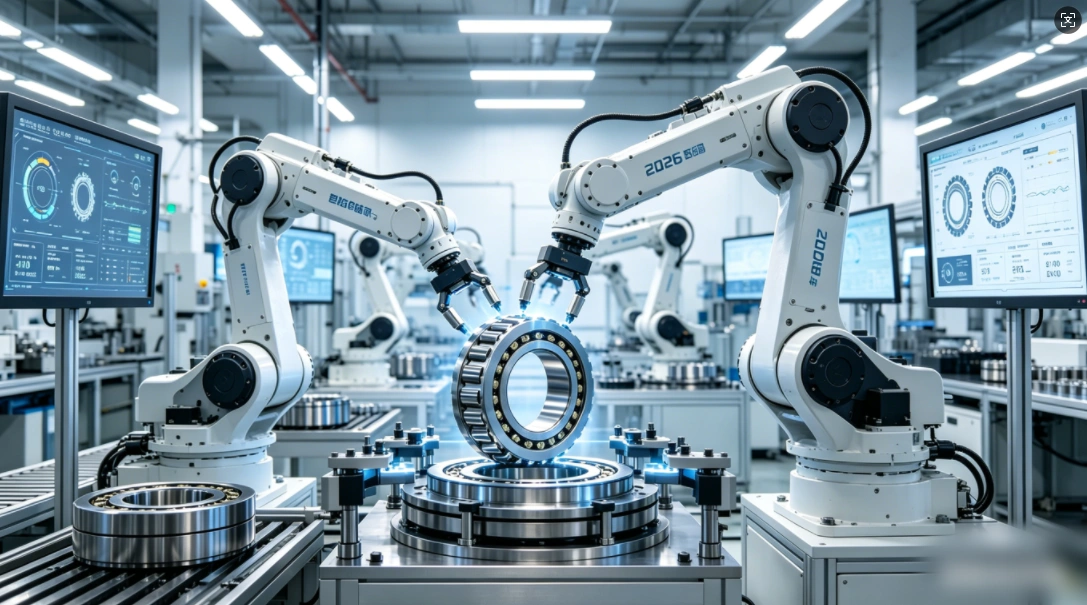
   Digital twin technology, for instance, allows bearing factories to simulate bearing performance in virtual environments before physical production, reducing design iterations by up to 30% and cutting time-to-market significantly. AI-powered quality control systems, equipped with high-precision sensors and machine learning algorithms, can detect hairline defects and dimensional deviations that human inspectors might miss, boosting product qualification rates to 99.8% in top bearing manufacturing facilities. Robotic arms, integrated with vision systems, handle complex tasks like grinding, assembly, and packaging with unmatched precision, while real-time data analytics adjust production parameters dynamically to minimize waste and maximize efficiency.
 
   “Intelligence is no longer an option for bearing factories—it’s a necessity,” says Sarah Chen, a senior industry analyst at Manufacturing Insights Global. “Factories that fail to adopt these technologies risk falling behind, as customers increasingly demand higher precision, faster delivery, and consistent quality.”
 
Intelligent bearing factory equipped with IoT and AI-powered production line
 
Sustainability: Green Manufacturing Takes Center Stage
 
   With global carbon neutrality goals gaining momentum, bearing factories are prioritizing sustainability across their operations, from material selection to energy usage. This shift is driven not only by regulatory pressure but also by growing demand from customers—especially in automotive, renewable energy, and industrial sectors—for eco-friendly bearing components.
 
   Key sustainable practices gaining traction include the use of recycled and low-carbon materials. Advanced specialty steels, produced via low-emission smelting processes, are replacing traditional materials, reducing carbon footprints by up to 25% without compromising strength or durability. Ceramic hybrid bearings, made from silicon nitride, are also growing in popularity for their energy efficiency, longer lifespan, and compatibility with electric vehicle (EV) motors, which require high-performance, low-friction components.
 
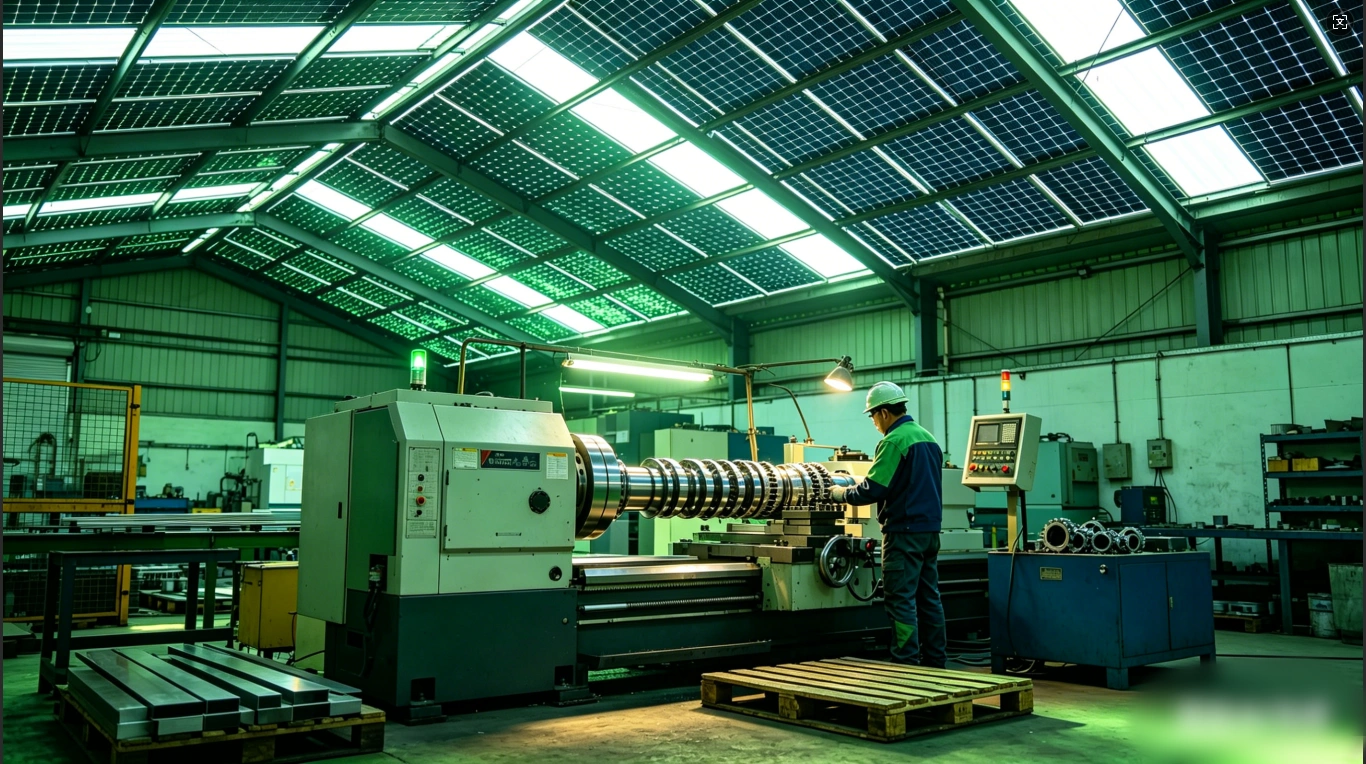
   Bearing factories are also investing in renewable energy sources, such as solar and wind power, to power their operations, while optimizing lubrication processes to reduce oil waste. Many are adopting circular economy models, recycling used bearings and repurposing materials to minimize landfill waste—a practice that not only reduces environmental impact but also cuts material costs.
 
Sustainable bearing manufacturing using low-carbon materials and solar power.
 
Supply Chain Resilisence: Diversification and Localization
 
   The disruptions of recent years have highlighted the fragility of global supply chains, prompting bearing factories to rethink their sourcing and distribution strategies. In 2026, the focus is on building resilient, diversified supply chains that can withstand geopolitical tensions, material shortages, and logistical delays.
 
   One key trend is regionalization: many bearing manufacturing facilities are establishing local or nearshore production facilities to reduce reliance on long-distance shipping and mitigate supply chain risks. For example, European bearing manufacturers are expanding production in Eastern Europe to serve regional automotive and industrial markets, while Asian factories are investing in facilities in Southeast Asia to tap into growing local demand. This localization also allows bearing factories to respond faster to customer needs and reduce transportation-related carbon emissions.
 
   Additionally, bearing factories are strengthening relationships with multiple suppliers for critical materials, such as specialty steels and ceramics, to avoid shortages. Digital supply chain management tools, which provide real-time visibility into inventory levels and production schedules, are becoming standard, enabling factories to anticipate bottlenecks and adjust plans proactively.
 

Resilient bearing supply chain with localized production facilitie
 
Market Demand Shifts :EVs and Renewable Energy Drive Growth
 
   The rising adoption of electric vehicles and renewable energy systems is reshaping demand for bearings, pushing bearing factories to develop specialized products tailored to these high-growth sectors. EVs require lightweight, high-precision bearings that can withstand high speeds and extreme temperatures, while wind turbines need large-diameter slewing bearings capable of supporting heavy loads and operating in harsh outdoor conditions.
 
   According to market research, the global bearing market is projected to reach $120–140 billion by 2026, with a CAGR of 2.2–3.4% through 2031, driven largely by demand from EVs and renewable energy infrastructure. Bearing factories are responding by investing in R&D to develop custom solutions, such as integrated bearing units for EV powertrains and corrosion-resistant bearings for offshore wind turbines.
 
   Another emerging demand driver is the industrial automation sector, which requires high-precision bearings for robots, machine tools, and conveyor systems. As factories worldwide automate their operations, the need for reliable, high-performance bearings is expected to grow steadily.
 
Challenges and Opportunities for Bearing Factories
 
   Despite the positive trends, bearing factories face several challenges in 2026, including fluctuating raw material prices, high certification barriers for entry into premium markets, and a shortage of skilled workers with expertise in both traditional manufacturing and new technologies. However, these challenges also present opportunities for innovation and differentiation.
 
   Bearing factories that invest in R&D, adopt intelligent and sustainable practices, and build resilient supply chains are well-positioned to capitalize on the growing demand for high-quality bearings. For small and medium-sized factories, collaboration with research institutions and industry partners can help overcome technical barriers and access new markets.
 
   “The bearing industry is at a crossroads,” adds Chen. “Those that embrace change—by leveraging technology, prioritizing sustainability, and adapting to market shifts—will not only survive but thrive in the years ahead.”
 
   For businesses looking to partner with forward-thinking bearing factories or learn more about how these trends can impact their operations, contact our team today for a personalized consultation. Our experts can help you navigate the evolving bearing landscape and identify the right solutions for your needs.