 8613335178716


For decades, bearings were viewed as commodity components. But the rise of smart factories, predictive maintenance, and extreme operating conditions has repositioned bearing quality as a strategic advantage. Modern bearing manufacturers are investing heavily in metallurgical research, superfinishing processes, and real-time quality monitoring to outpace global demand for durability and precision.
1. The New Quality Paradigm: From Tolerances to Total Lifecycle
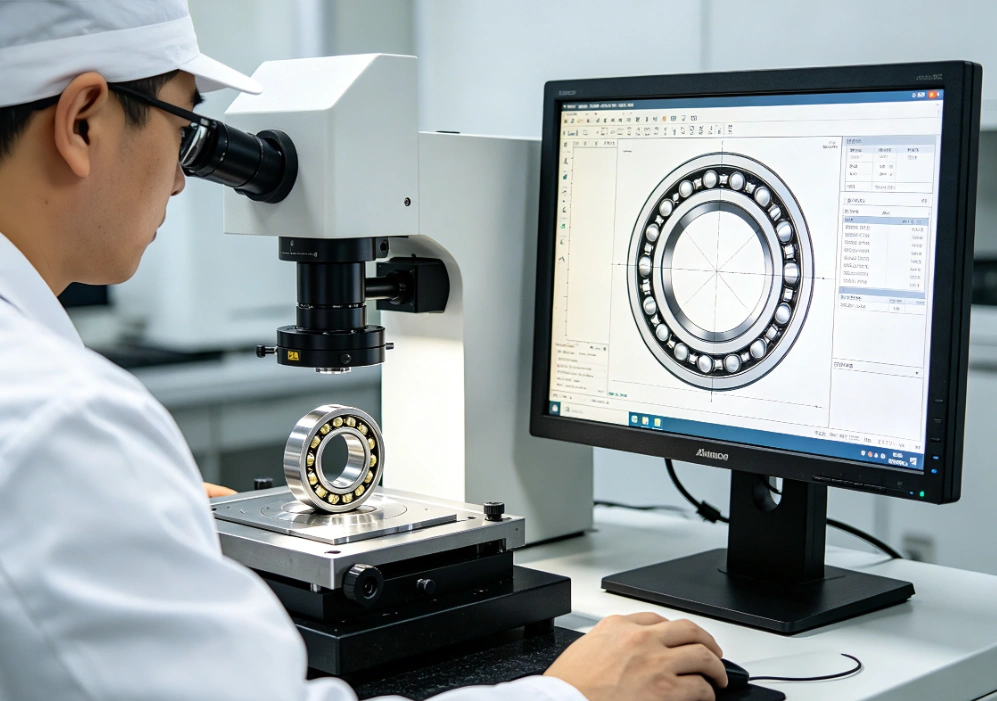
Traditional quality control focused on dimensional accuracy — inner diameter, outer diameter, width tolerance. While those remain critical, today’s factory trends demand a holistic approach. Leading bearing factories now implement 100% in-line inspection via AI-driven optical systems and eddy current testing. Each batch undergoes rigorous noise (vibration) testing under simulated load profiles. As a result, field failure rates have dropped by over 35% among early adopters of end-to-end digital quality ecosystems.
Factory capability spotlight: Advanced heat treatment furnaces with vacuum carburizing ensure consistent case depth and core hardness — even for thin-section bearing rings. This reduces spalling risks and extends calculated L10 life by up to 42% in high-speed applications.
2. Lean, Green and Automated: The Responsive Factory Floor
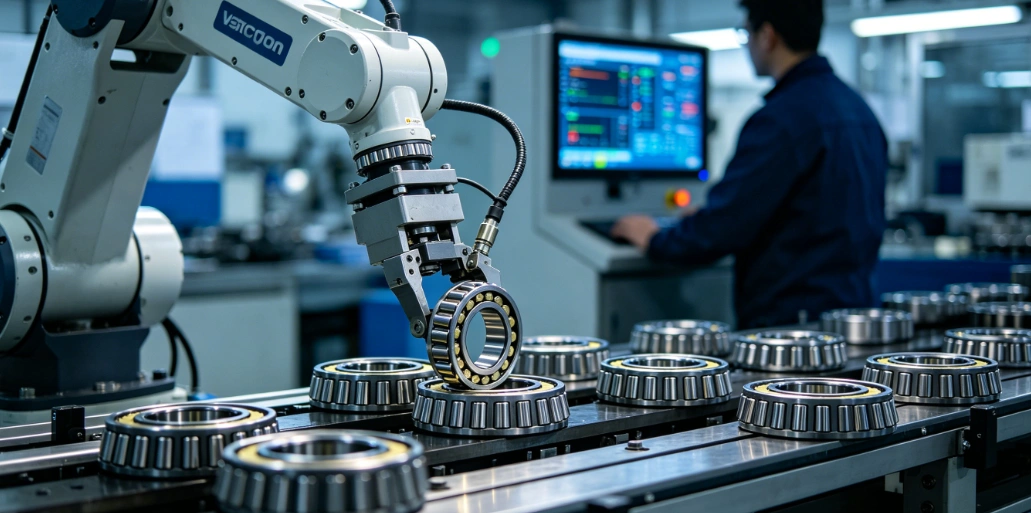
To stay ahead, bearing plants are embracing automated work cells and collaborative robots (cobots) for grinding and assembly. Real-time OEE dashboards allow operators to fine-tune parameters, reducing waste and human error. Additionally, energy-efficient grinding fluids and closed-loop recycling of steel scrap reflect the industry's commitment to sustainable manufacturing, a factor increasingly valued by ISO 14001-certified buyers.
These improvements directly translate to supply chain reliability — shorter lead times, consistent batch-to-batch quality, and the agility to handle custom designs without compromising manufacturing standards.
3. Material Science and Surface Engineering: The Hidden Competitive Edge
Even the most precise geometry fails without superior material integrity. Modern bearing factories differentiate through proprietary steel cleaning protocols, inclusion rating techniques (per ASTM E45), and advanced superfinishing of raceways. By reducing surface roughness to Ra ≤ 0.05μm, factories achieve lower friction, higher speed capability, and better lubricant film retention — crucial for wind turbines, electric vehicle drivetrains, and industrial gearboxes.
Case in point: Field tests in heavy-duty conveyor systems demonstrated that bearings manufactured with micro-smoothing technology and optimized raceway crowning exhibited a 63% reduction in operating temperature spikes compared to standard alternatives. Such data validates why OEMs now require certified surface finish reports along with dimensional certificates.
4. Industry 4.0 Integration: Digital Traceability and Smart Logistics
Factory trends show that component traceability is no longer optional — it's a buyer prerequisite. Top-tier bearing facilities deploy QR/DMC laser marking on each ring, linked to a cloud-based manufacturing execution system (MES). Customers can scan and retrieve raw material certificates, grinding parameters, and final inspection results. This transparency builds trust and streamlines quality audits, effectively future-proofing supply partnerships.
2026 Market Outlook: According to the Global Bearing Industry Report, factories that implement full digital twin simulation for bearing assembly reduced warranty claims by nearly 31%, making quality transparency a pillar of modern procurement strategies.
5. Why Global Engineers Are Shifting to High-Quality Bearing Suppliers
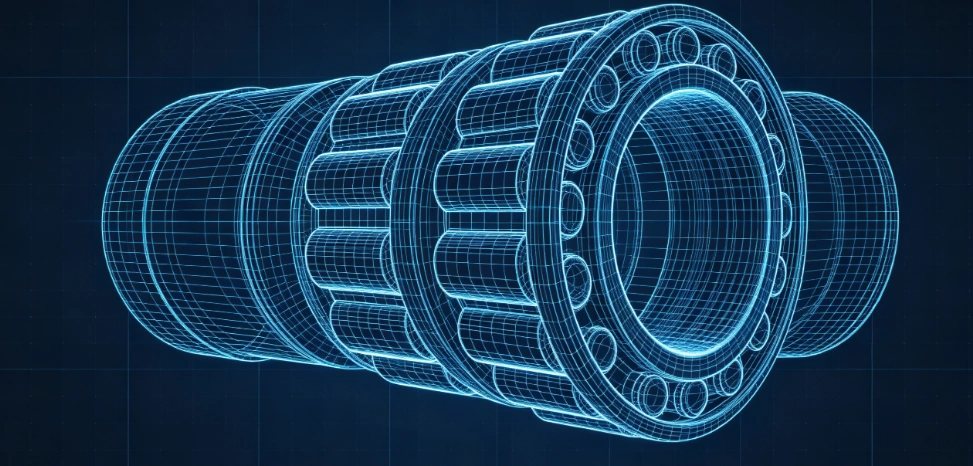
Reliability drives profitability. Downtime in automated lines costs thousands per minute. That’s why engineering teams now prioritize supplier capability audits before price comparisons. Factories that showcase ISO 9001:2025, IATF 16949, and in-depth material testing gain a decisive advantage. More importantly, they invest in application engineering support — helping clients select optimal radial internal clearance, cage materials (brass, polyamide, or steel), and lubrication strategies for extreme environments.
----By choosing factories that embrace these development trends, buyers reduce total cost of ownership (TCO) and gain a long-term partner ready for industrial evolution.---
Outlook: The Factory of the Future Delivers Uncompromised Quality
As bearing factories evolve into precision smart foundries, the correlation between manufacturing excellence and product performance becomes undeniable. From AI-based predictive quality to sustainable heat treatment, the factories leading the charge are those that treat quality as an ever-evolving standard — not a fixed target. For engineers and procurement leaders, aligning with such facilities means investing in reliability, innovation, and a future-proof supply chain. The trend is clear: next-generation bearing production is the silent force behind tomorrow's industrial breakthroughs.
Editors note: This article is part of the "Factory Trends" series, focusing on how premium component manufacturing drives global competitiveness. For technical datasheets or factory audit reports, contact our engineering team.
